When launching a packaged product in today’s competitive market, the first thing that comes to our mind is usually branding and design, but in reality, Food Labels are far more than just decorative stickers on a box or bottle. They serve as compliance essentials as well as powerful brand touchpoints, and hence ignoring their importance can lead to serious consequences.
This is where ARG Label & Technology FZE comes into the picture, as an experienced and compliance-focused manufacturer of food packaging labels that meet both visual and regulatory standards. Hence, having a proper food product labeling checklist becomes absolutely essential for every business owner.
Know the Food Labeling Rules Before You Print
When you are preparing to print packaging for your products, the first question that should arise is whether your food labels fully comply with the regulations in your target market. Local and international authorities strictly enforce food labeling requirements, and businesses cannot afford to overlook them.
In India, businesses must follow the FSSAI labeling guidelines issued by the Food Safety and Standards Authority of India to ensure full compliance before products enter the market.
Labeling is not just about attractive graphics or strong branding. Regulatory guidelines clearly define what information must appear on packaging and how it should be displayed. Accurate ingredient declarations, proper allergen identification, standardized date formats, and compliant nutritional panels are mandatory. Even minor errors or missing details can lead to costly compliance issues.
Mandatory Information Required on Food Labels
Before finalizing your packaging design, ensure that your label clearly includes:
- The official product name
- The appropriate date marking (such as best-before or use-by)
- Any legally required warnings or precautionary statements
- The net weight or volume of the product
- A complete list of ingredients when more than one ingredient is used
- Country or place of origin, where applicable
- Batch or lot identification details for traceability
- Storage instructions, if specific conditions are needed
- Preparation or cooking guidelines, when relevant
Failure to provide this information correctly can result in shipment delays, product recalls, fines, or rejection at customs. For this reason, working with experienced label manufacturers who understand FMCG and packaged food compliance standards is essential. Reviewing legal requirements at the early design stage helps prevent disruptions and ensures smooth market entry.
Elements Your Food Labels Must Include
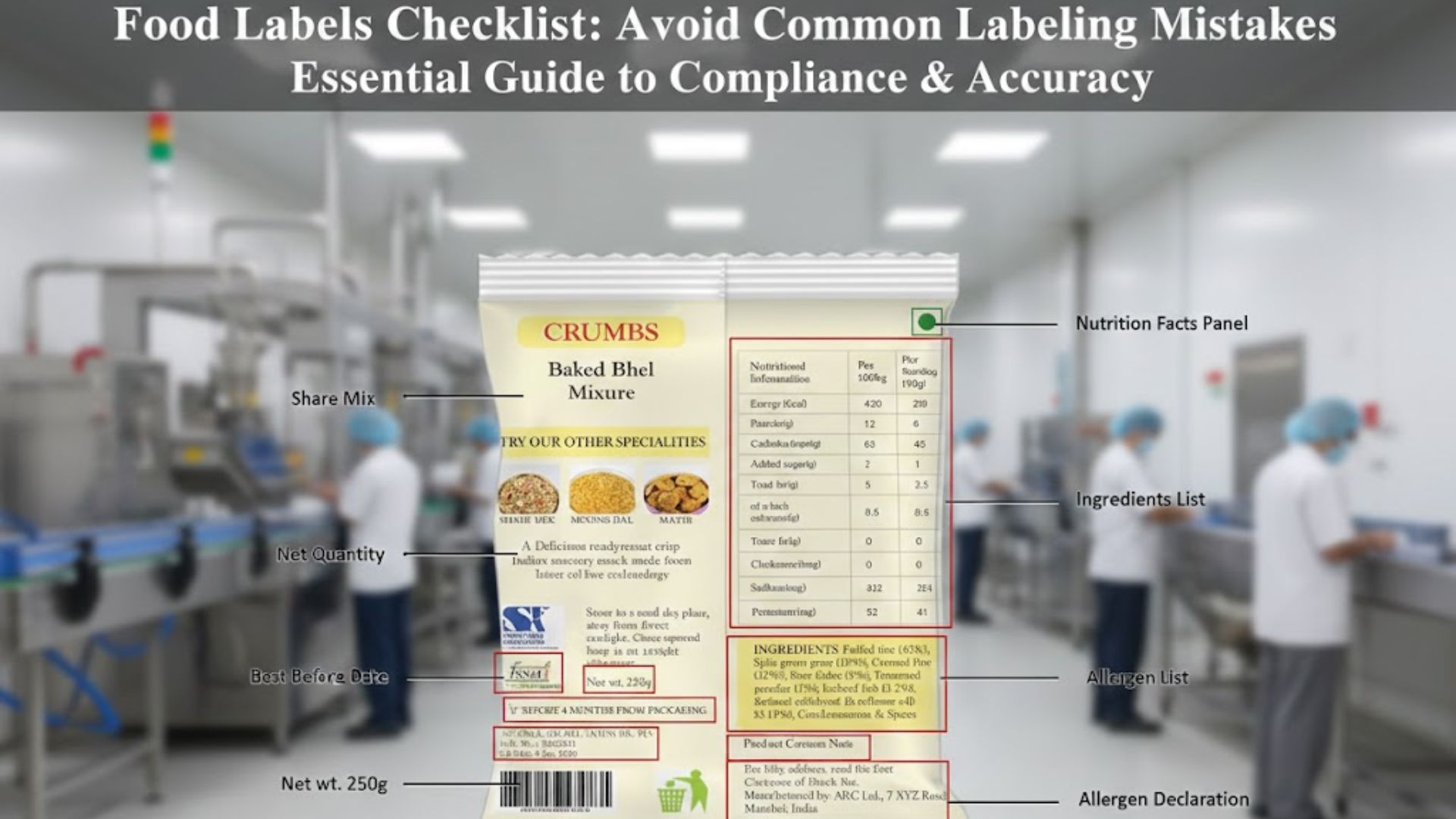
When creating packaging for your products, the first question which comes to our mind is whether all the mandatory details are properly included or not, because Food Labels are not just about branding but also about compliance. If you ignore even one important point from your food product labeling checklist, then you may face unnecessary regulatory issues later on. Hence, it becomes very important to ensure that your Food Labels contain every required component before they go for printing.
- Product name and description – This helps customers clearly understand what the product is, and hence it prevents any kind of confusion in the marketplace.
- Complete ingredient list in descending order – This ensures transparency, and therefore it keeps you aligned with regulatory expectations.
- Nutritional facts panel – This provides essential dietary information, and hence it supports informed purchasing decisions.
- Allergen warnings – This protects consumers with sensitivities, and therefore it reduces legal and health risks.
- Net weight or volume – This confirms the exact quantity being sold, and hence it meets trade compliance standards.
- Batch or lot number – This allows traceability, and therefore it becomes useful during recalls or quality checks.
- Manufacturing and expiry dates – This assures freshness and safety, and hence it builds consumer confidence.
- Barcode or GTIN – This enables smooth scanning at retail counters, and therefore it supports inventory control.
- Manufacturer and contact information – This builds accountability, and hence it strengthens brand trust.
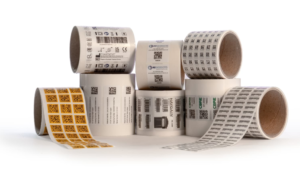
This is where reputed label manufactureres proves valuable, as it offers high-quality printing solutions and durable materials that provide enough space and clarity for all mandatory elements, even on compact packaging formats.
Avoid These Common Food Labeling Mistakes
When designing Food Labels, the first mistake which many businesses make is assuming that small errors will not create major problems, but in reality even minor issues can lead to serious consequences.
- Illegible fonts and small text – If customers or regulators cannot read the information clearly, then compliance objections and trust issues may arise.
- Wrong ingredient order – Since ingredients must appear in descending order, any mistake here can directly violate regulatory guidelines.
- Missing allergen information – If allergen details are not mentioned properly, then it may cause health risks and legal penalties.
- Incorrect date formatting – When dates are printed in the wrong format, confusion and shipment delays can easily happen.
- Unscannable or poor barcodes – If the barcode fails to scan properly, then retail operations and stock management may suffer.
- Wrong material choice – If unsuitable materials are used for refrigerated or moisture-prone products, then labels may peel or fade, and hence compliance as well as brand image can be affected.
Hence, experienced manufacturers like ARG Label & Technology FZE use reliable materials such as Paper, PP, PE, and Metallized substrates to prevent such common failures and ensure long-lasting performance.
The Importance of Barcode Labels for Food Items
When placing products on retail shelves, the first question that comes to our mind is whether the barcode will scan properly at the checkout counter, because Food Labels today must work not only for compliance but also for technology. If the barcode label for food products is not printed accurately, then delays at billing counters and inventory mismatches can easily occur. Hence, ensuring fast scanning and seamless retail checkout becomes extremely important for every business owner. High print clarity is absolutely necessary because even a slight blur can cause scanning failures. On the other hand, correct code standards such as EAN or UPC must be followed carefully, since retailers depend on standardized systems. Material durability is also essential because handling, stacking, and storage conditions may damage poorly printed codes.
- High contrast printing for scanners ensures quick and error-free reading.
- Proper placement on flat and visible surfaces avoids operational delays.
- Compatibility with POS and inventory systems keeps supply chains running smoothly.
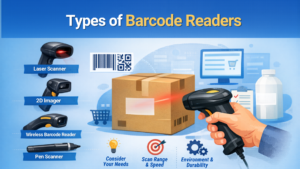
It is here that the ARG Label & Technology FZE comes in as it offers barcode printers, scanners and Auto-ID solutions and hence, Food Labels have not fallen behind the current retail and supply chain technologies.
Choosing Materials That Stand Up to Conditions
The first consideration when choosing material to use in food packaging labels is the ability of the material to withstand the conditions of storage and handling since Food Labels should be clear and not damaged between the time of production and consumption. Therefore, there is a complete need to know material performance prior to printing.
| Material | Best For | Key Advantage |
| Paper | Dry packaged foods | Affordable and highly printable |
| PP (Polypropylene) | Beverages and sauces | Resistant to moisture and oil |
| PE (Polyethylene) | Flexible packaging | Stretchable and highly durable |
| Metallized | Premium products | Provides an attractive metallic finish |
On the other hand, environments such as cold storage rooms, greasy kitchens, and high-humidity areas demand stronger and more durable substrates. This is where reputed label maufacturers offer real value, as it supplies high-quality label stocks, including Avery Dennison sourced materials, and hence, Food Labels remain durable, compliant, and visually appealing under challenging conditions.
Tips for Proofing and Quality Checking Before Printing
When you are about to send your design for bulk printing, the first question which comes to our mind is whether everything has been checked properly, because Food Labels once printed in thousands cannot be corrected easily. If you ignore even one small detail from your food product labeling checklist, then that small mistake may repeat across every single package. Hence, following a proper proofing checklist becomes extremely important before final approval.
- Spell-check all text – If spelling mistakes appear on finished labels, then your brand image may suffer immediately in front of customers.
- Confirm ingredient order – Since ingredients must be listed in descending order, even a slight error can create compliance issues.
- Check allergen warnings – If allergen information is missing or unclear, then serious legal and safety problems may arise.
- Test barcode scanability – If the barcode does not scan during checkout, then retailers may face operational delays.
- Verify date formats – When dates are printed incorrectly, then shipments may be questioned or rejected.
- Confirm label size fits packaging – If the label does not align properly, then readability and presentation may be affected.
- Trial print on actual material – If you do not test on the final substrate, then unexpected printing issues may appear later.
This is where ARG Label & Technology FZE supports businesses with detailed pre-press reviews and proofing services, and therefore Food Labels are checked carefully before mass production begins.
Integrating Quality Label Production Into Your Process
When developing a new product, the first mistake which many companies make is delaying label planning until the last stage, but Food Labels should always be integrated early in the process. If labeling is considered from the beginning, then compliance checks and packaging alignment become much smoother.
Hence, working with a provider experienced in food packaging labels ensures that materials, dimensions, and codes are finalized before production begins. Reputed label manufacturers offer scalable solutions that include industrial materials, precision printing, and Auto-ID integration, and therefore, businesses can handle bulk volumes and multiple SKUs efficiently. On the other hand, partnering with an experienced label manufacturer reduces risk, prevents reprints, and saves both time and operational costs.
Conclusion
When selling packaged food products, the first responsibility that every business must accept is ensuring that Food Labels are accurate and compliant. If labeling errors occur, then safety concerns, penalties, and loss of consumer trust may follow quickly. Hence, avoiding common mistakes becomes a very important part of your food product labeling checklist and overall strategy. Effective Food Labels always combine correct information, suitable materials, clear barcodes, and regulatory alignment in one complete solution. This is why experienced label companies provide packaging label solutions backed by strong quality processes and industry experience, and therefore brands can remain compliant, consistent, and trusted in competitive markets.